Graph paper has become an essential tool for students, architects, and artists alike. Its grid layout helps in precise drawing, calculations, and designs. Understanding its history can enhance our appreciation for this simple yet effective tool.
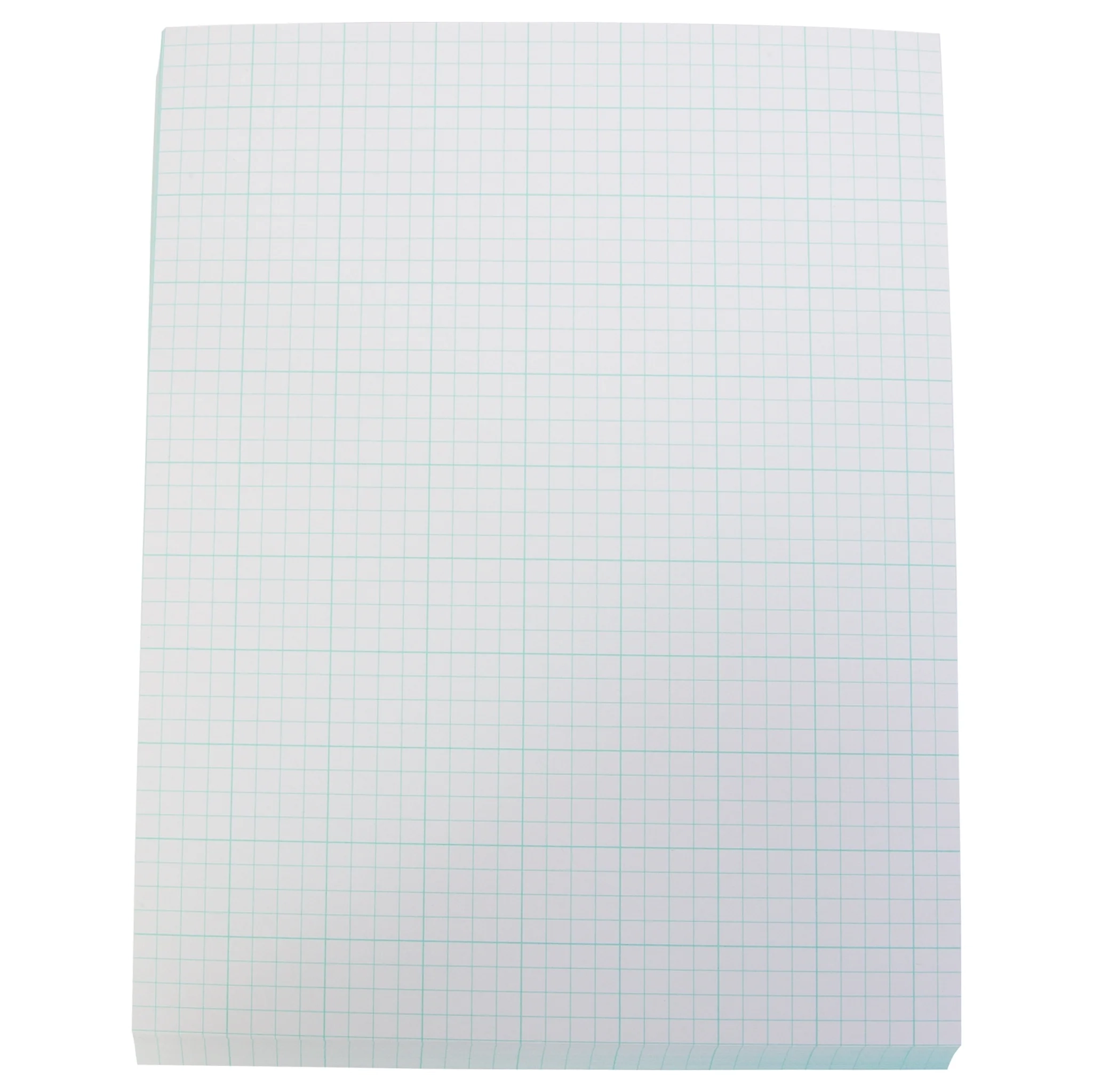
When Was Graph Paper Invented
When Was Graph Paper Invented
Graph paper was first created in the early 1800s. The concept emerged from the need for a structured format to assist in mathematical calculations and engineering designs. This innovation quickly gained popularity among professionals and students.
Initially, graph paper featured simple grids made up of squares. As time progressed, variations emerged, including isometric and polar grids. These adaptations catered to different needs in fields like architecture and graphic design.
By the late 19th century, graph paper became widely available in schools. Educators recognized its value in teaching geometry and algebra. This tool transformed how students approached math, making learning more interactive and engaging.
Today, graph paper is available in various formats, both physical and digital. Its versatility continues to serve a wide range of applications, from engineering to art projects. The legacy of graph paper remains strong in modern education and professional practices.
Understanding the history of graph paper enriches our experience with it today. This simple tool has evolved significantly, proving its importance across various disciplines. Embracing its legacy can inspire creativity and precision in our work.
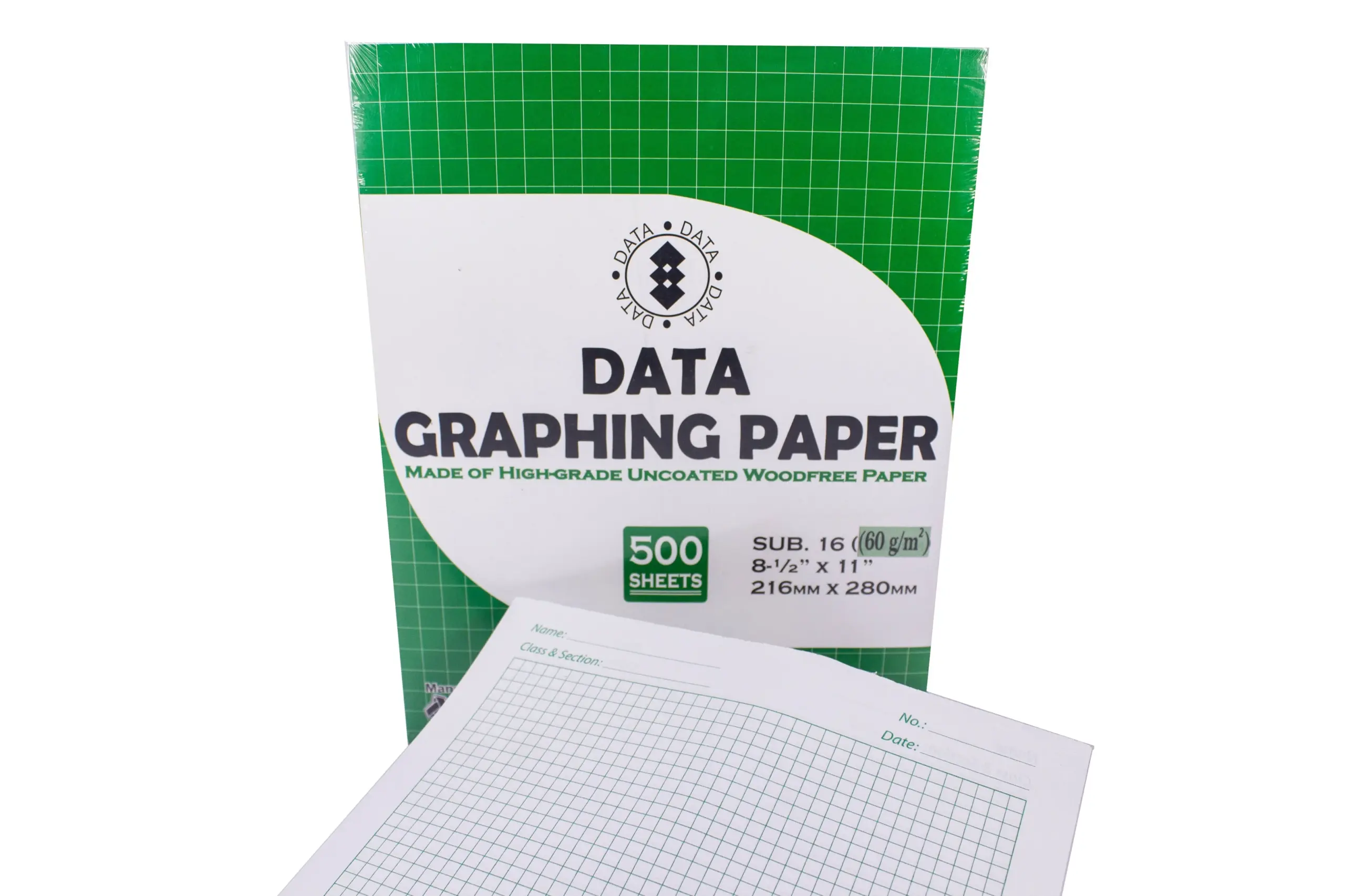
Graphing Paper 8 5x11in 500sheet Paper Cart
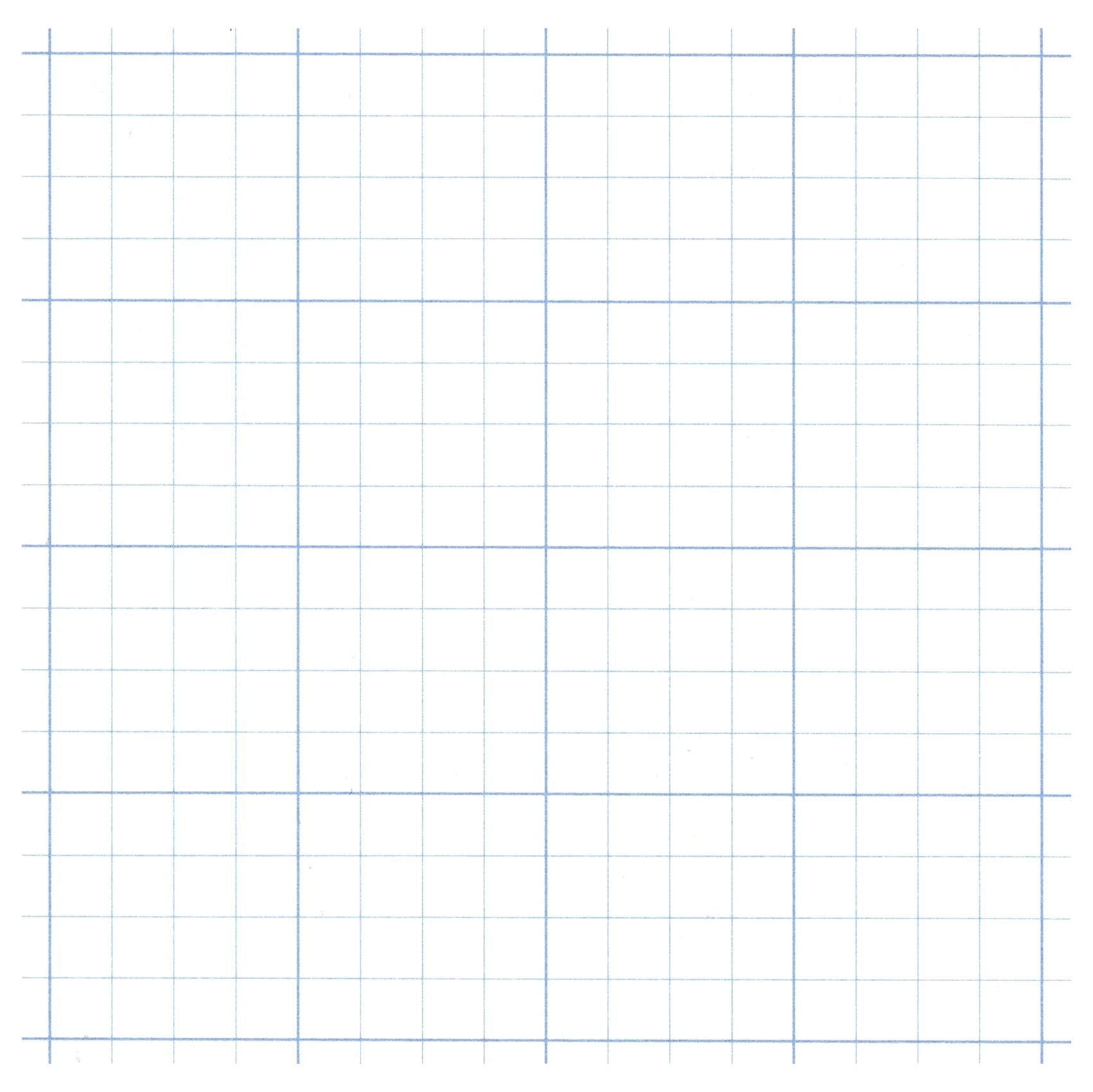
Graph Paper Perfect For Drafting
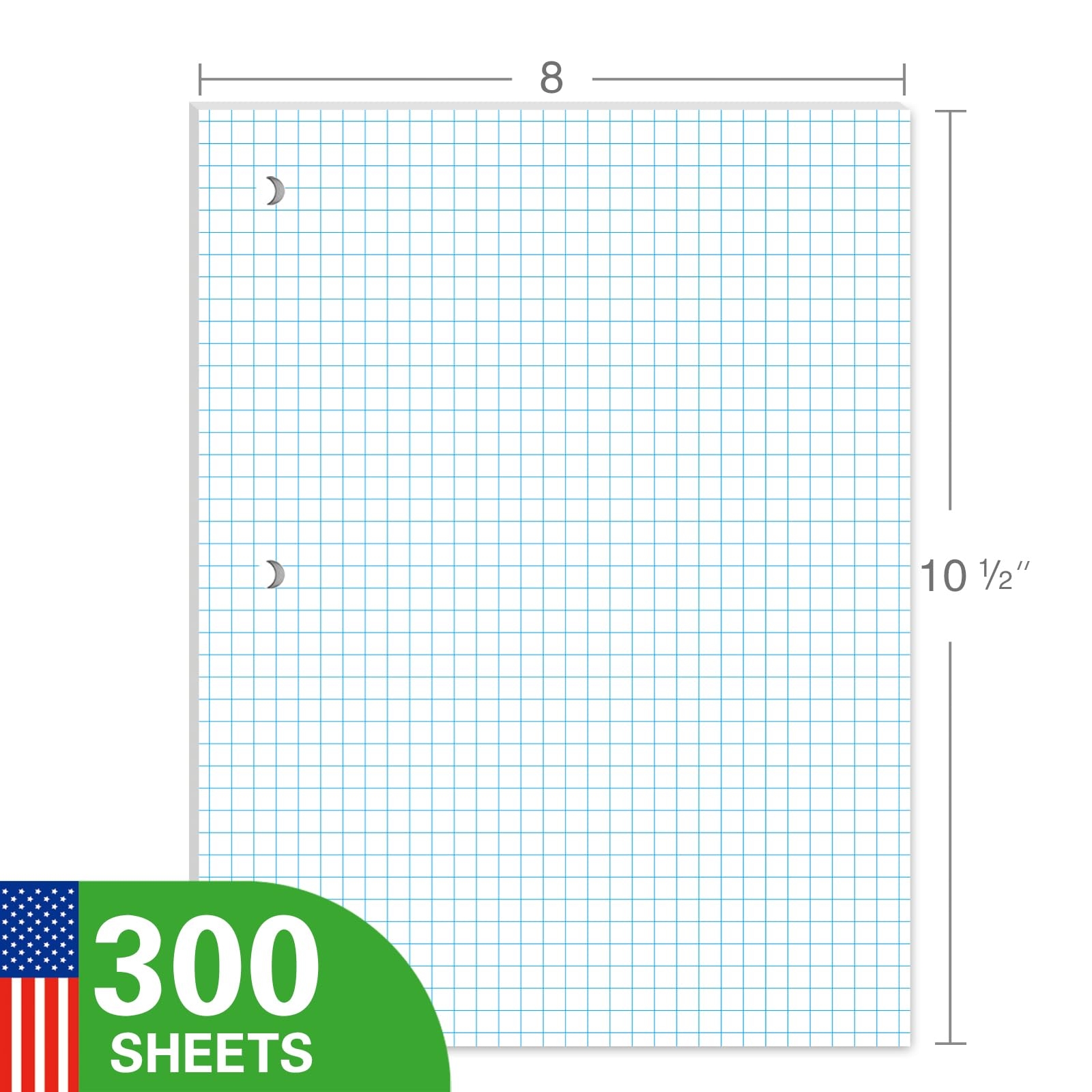
WritePads Graph Paper Loose Leaf Paper Standard 8 x10 1 2 4×4 Quad Ruled Notebook Paper 3 Hole Punched Filler Paper 3 Ring Binder Paper 300 Sheets
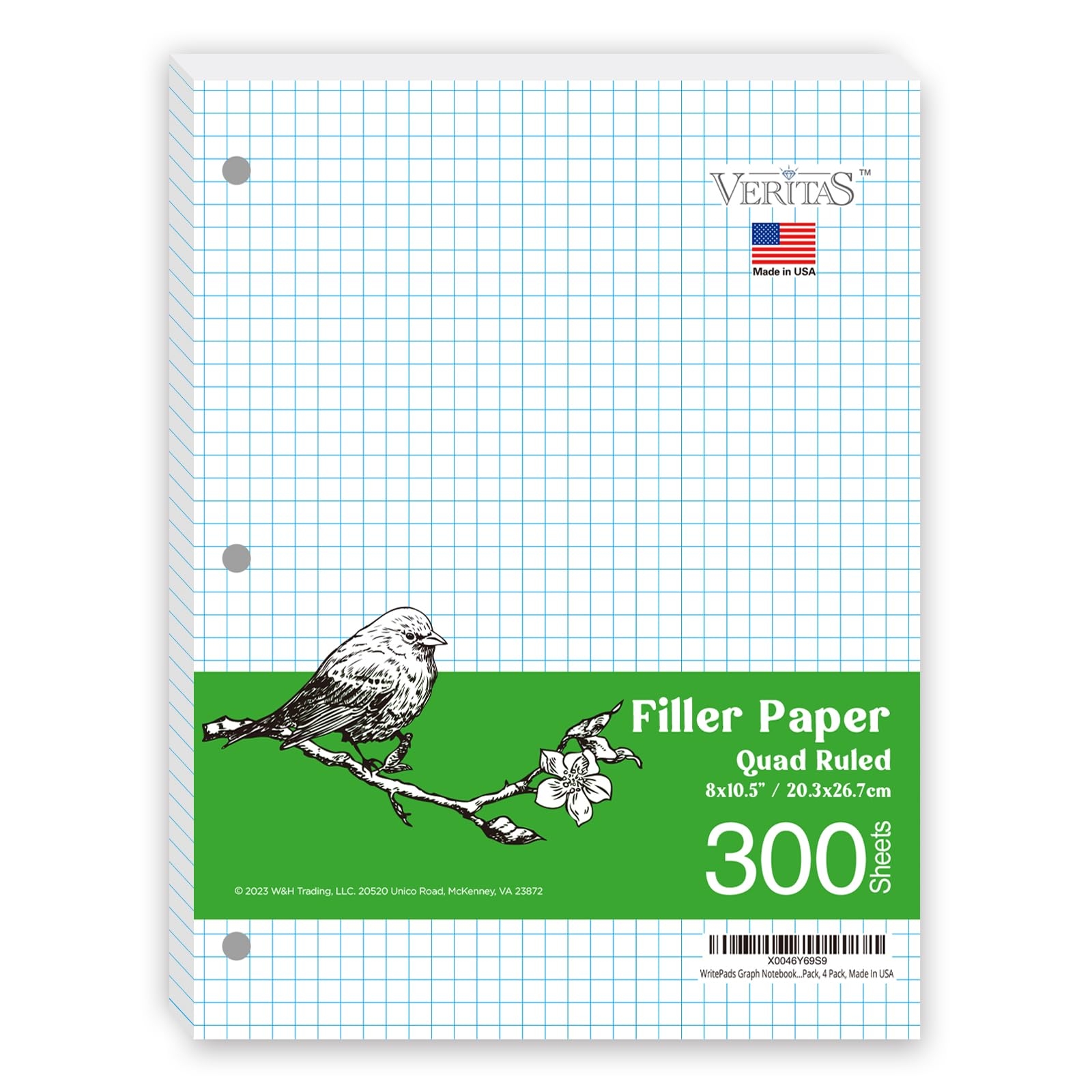
WritePads Graph Paper Loose Leaf Paper Standard 8 x10 1 2 4×4 Quad Ruled Notebook Paper 3 Hole Punched Filler Paper 3 Ring Binder Paper 300 Sheets
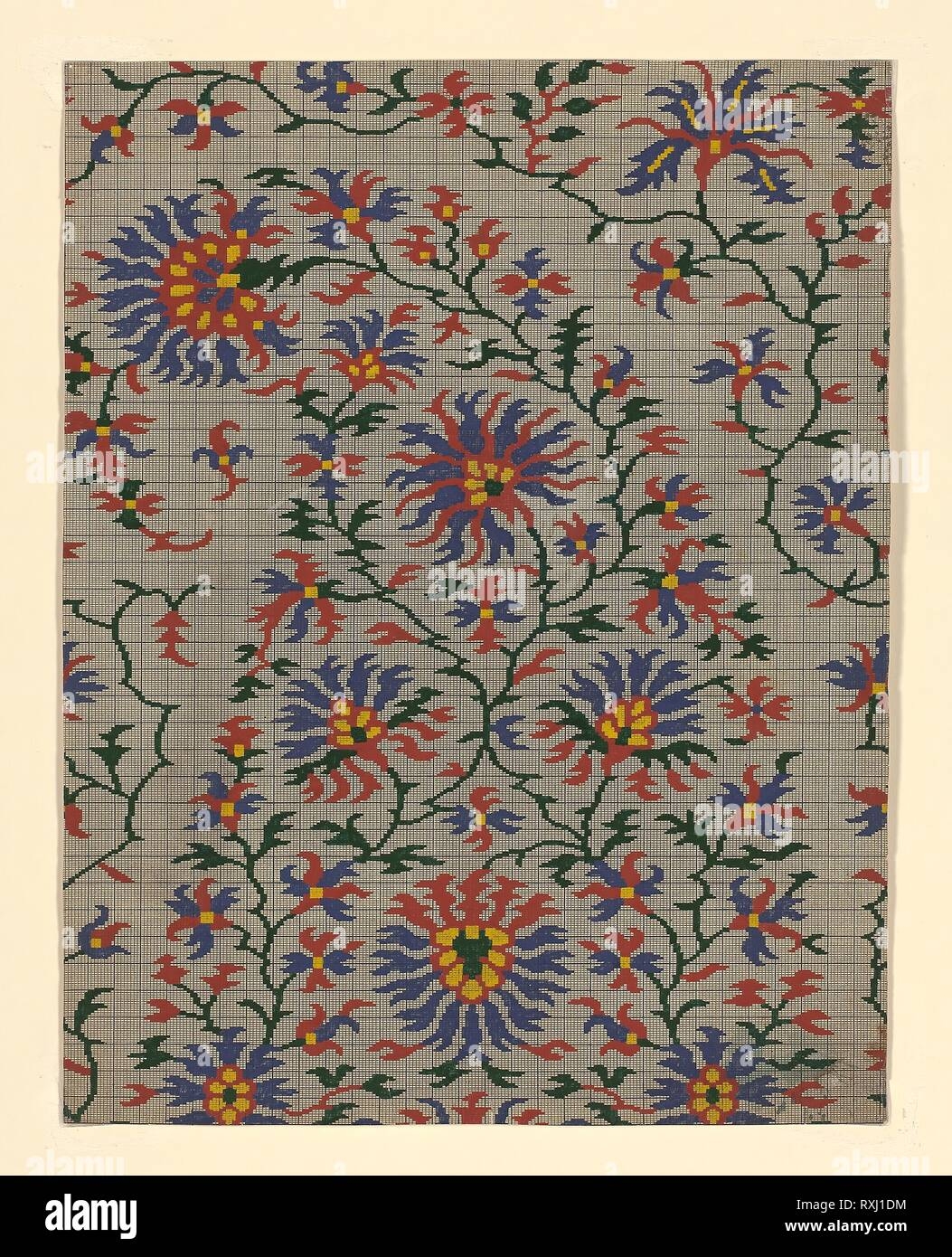
Mise en carte Point paper France Date 1760 1790 Dimensions