Tracing paper is a versatile tool that artists and designers often use for various projects. Its semi-transparent quality allows for easy manipulation of shapes and designs, making it perfect for creating intricate patterns.
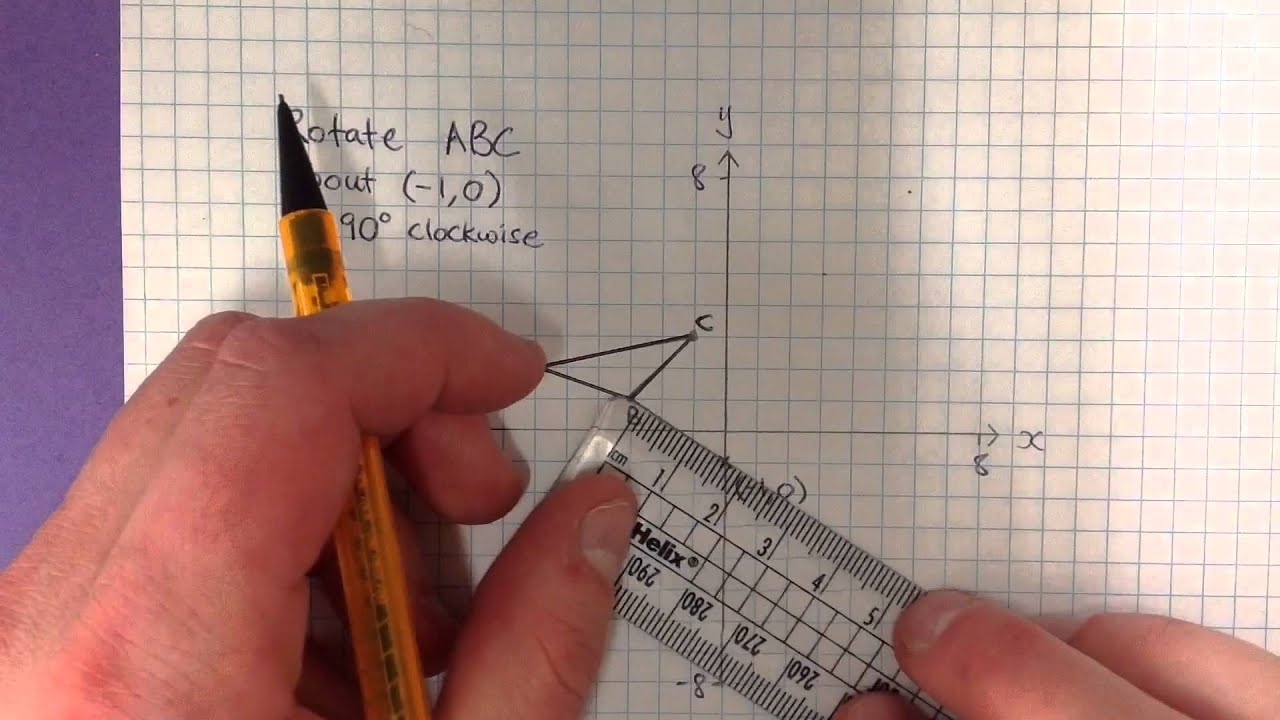
Rotations Using Tracing Paper
Rotations Using Tracing Paper
To perform rotations using tracing paper, start by drawing your shape on the paper. Make sure to mark the center of rotation clearly. This center point is crucial for accurate transformations.
Next, carefully rotate the tracing paper around the center point. You can use a protractor to measure angles, ensuring your rotations are precise. This method allows you to visualize how shapes change with different angles.
Another benefit of using tracing paper is that you can layer multiple rotations. By stacking sheets, you can create a series of transformations that showcase how a shape evolves through each rotation.
Using tracing paper for rotations not only enhances your artistic skills but also deepens your understanding of geometry. It’s a fun and engaging way to explore mathematical concepts while being creative.
Incorporating rotations using tracing paper into your projects can lead to exciting discoveries. Whether you’re an artist or a student, this technique offers a unique perspective on shapes and their transformations.
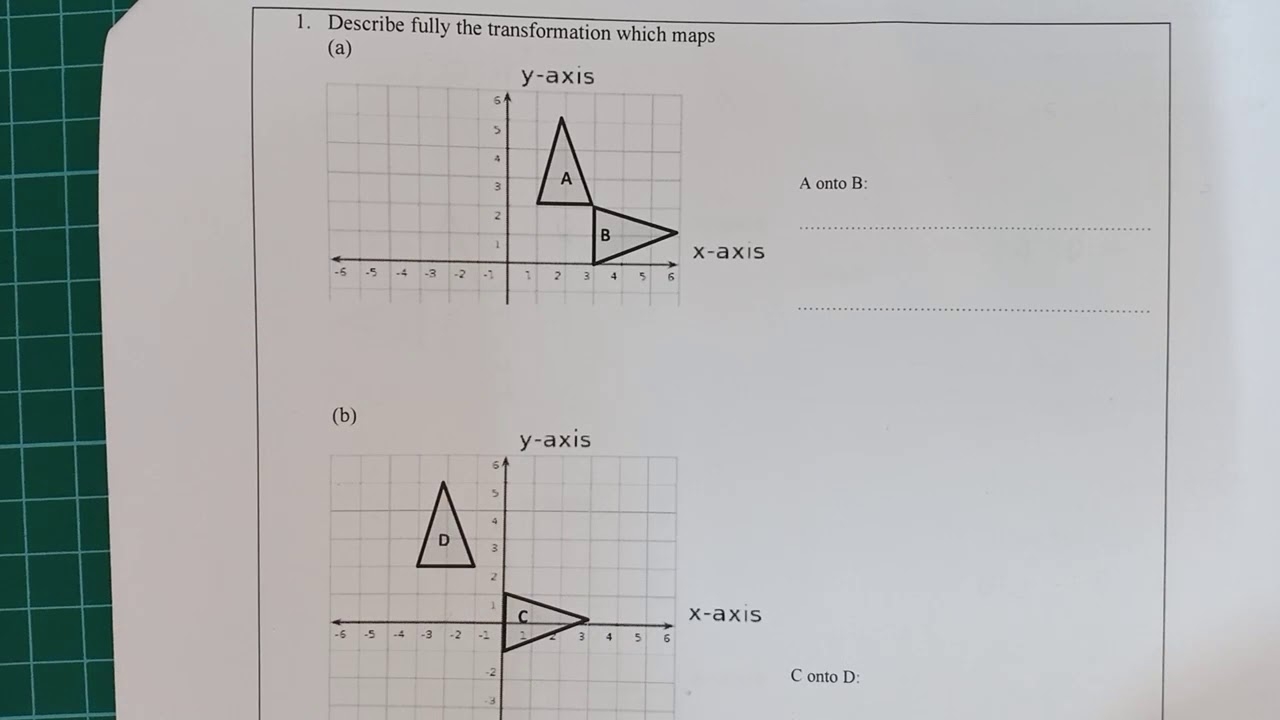
Finding Centre Of Rotation Using Tracing Paper Q1 a
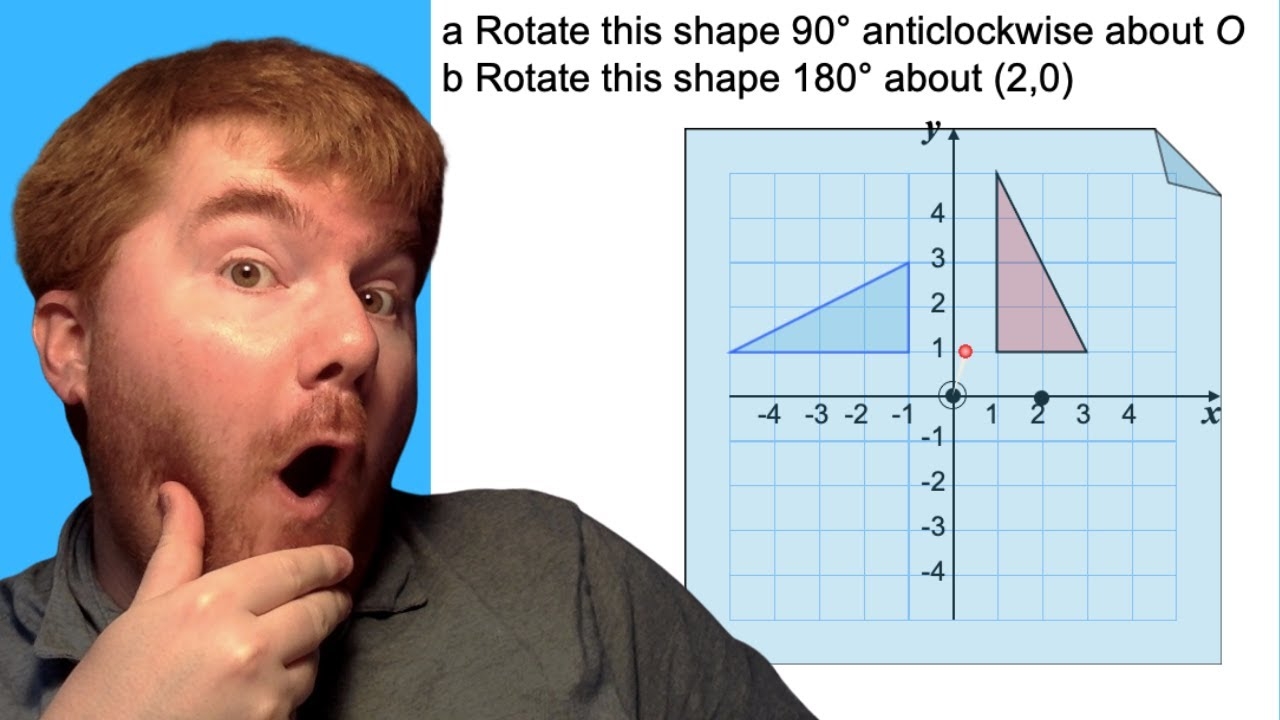
Never Get Rotations Wrong Again Simple Tracing Paper Technique
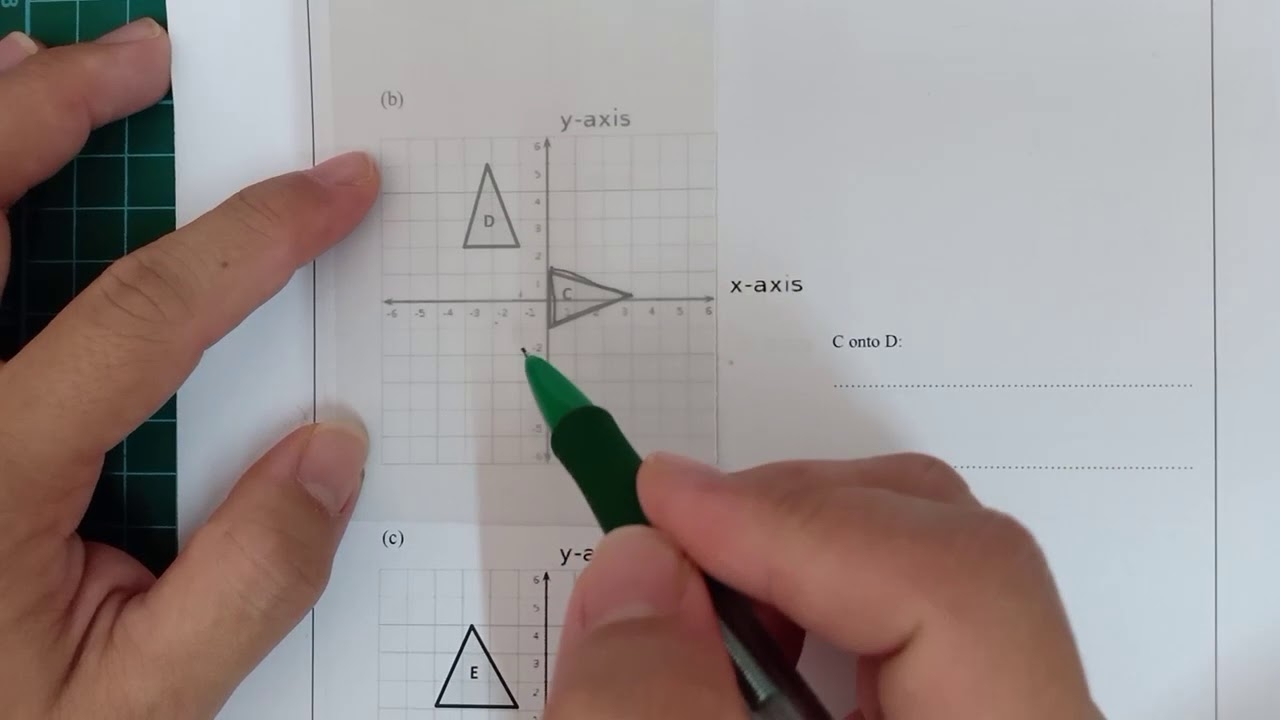
Finding Centre Of Rotation Using Tracing Paper Q1 b
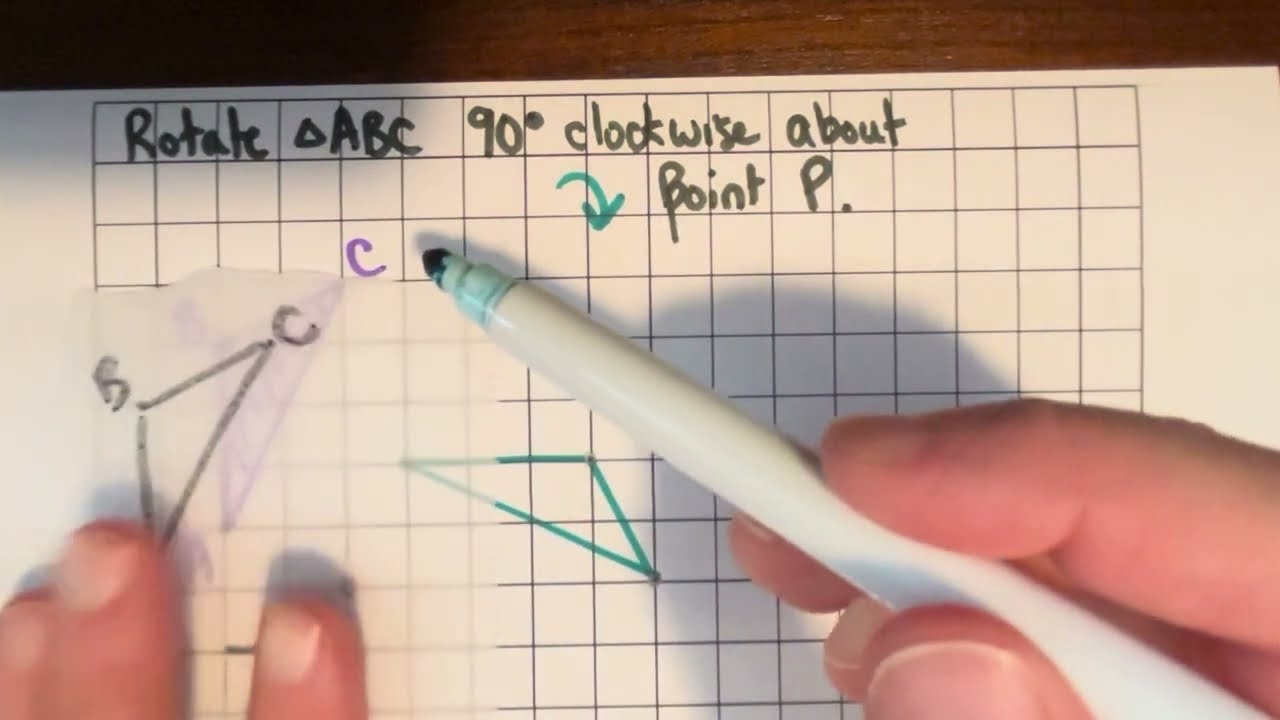
Rotate A Shape With Tracing Paper
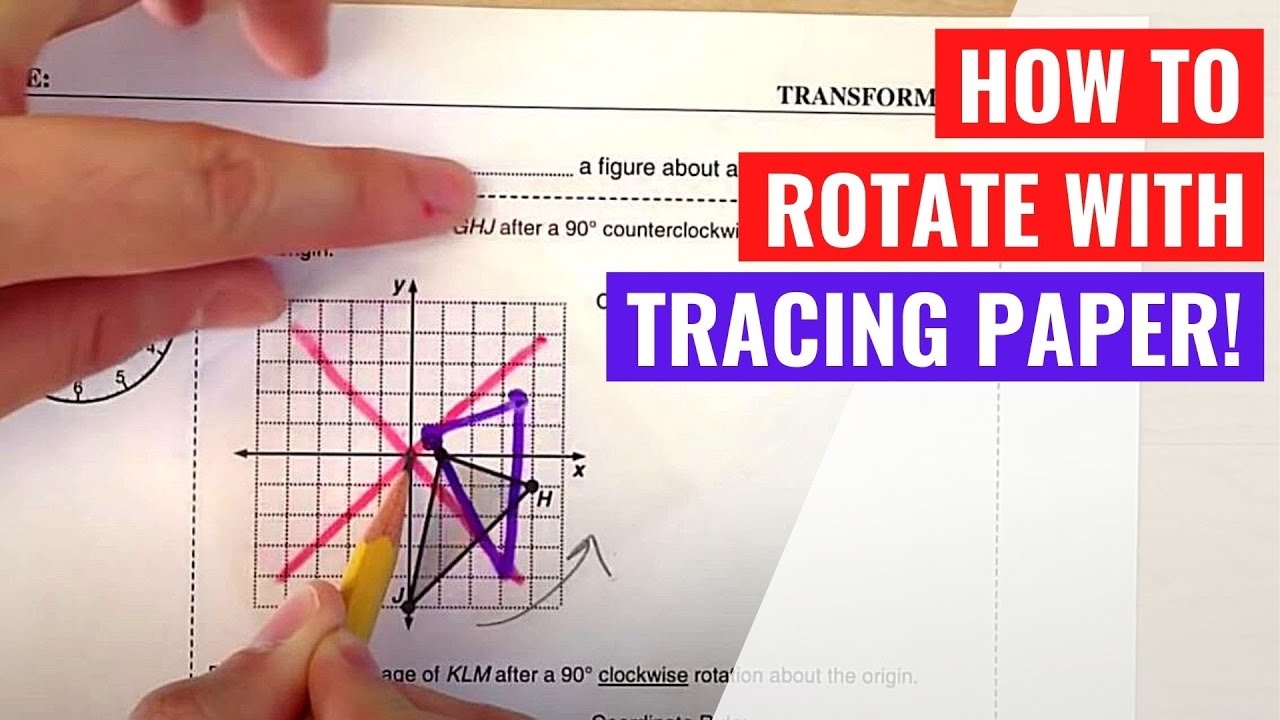
How To Draw Rotations With Tracing Paper