Understanding ECG graph paper is essential for anyone involved in cardiology or medical studies. This specialized paper helps visualize the electrical activity of the heart, making it easier to interpret results and diagnose conditions.
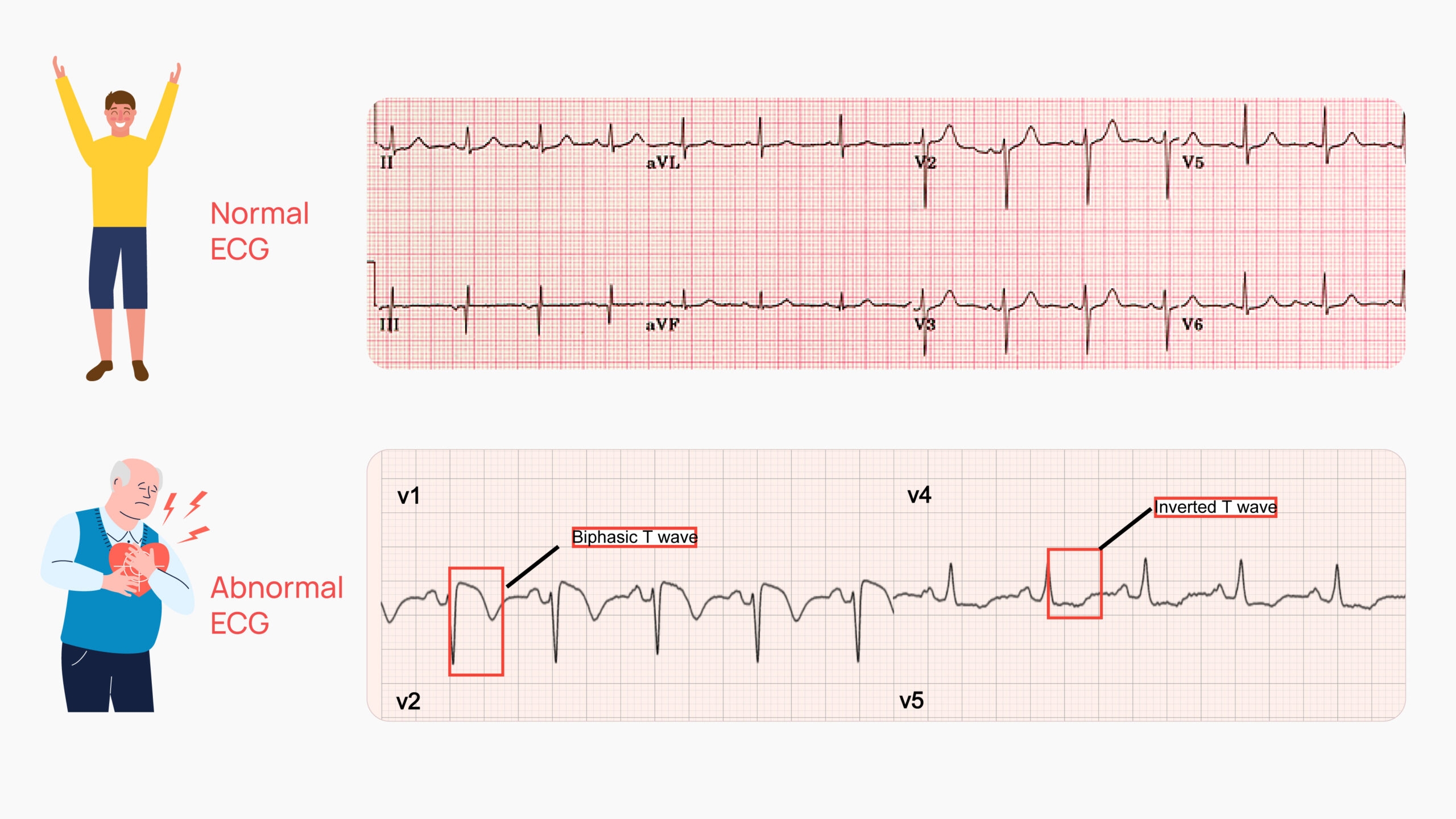
Ecg Graph Paper Explained
Ecg Graph Paper Explained
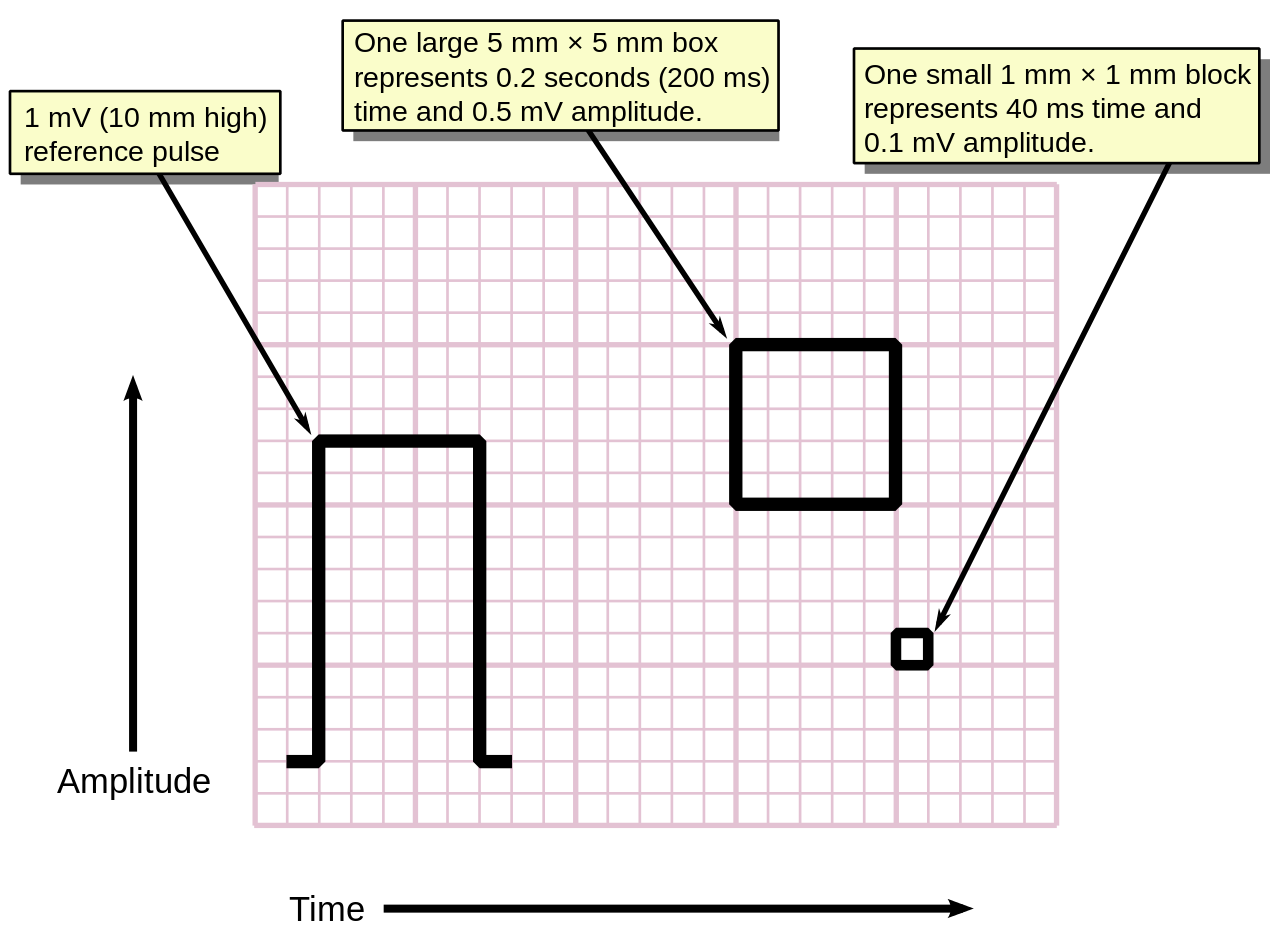
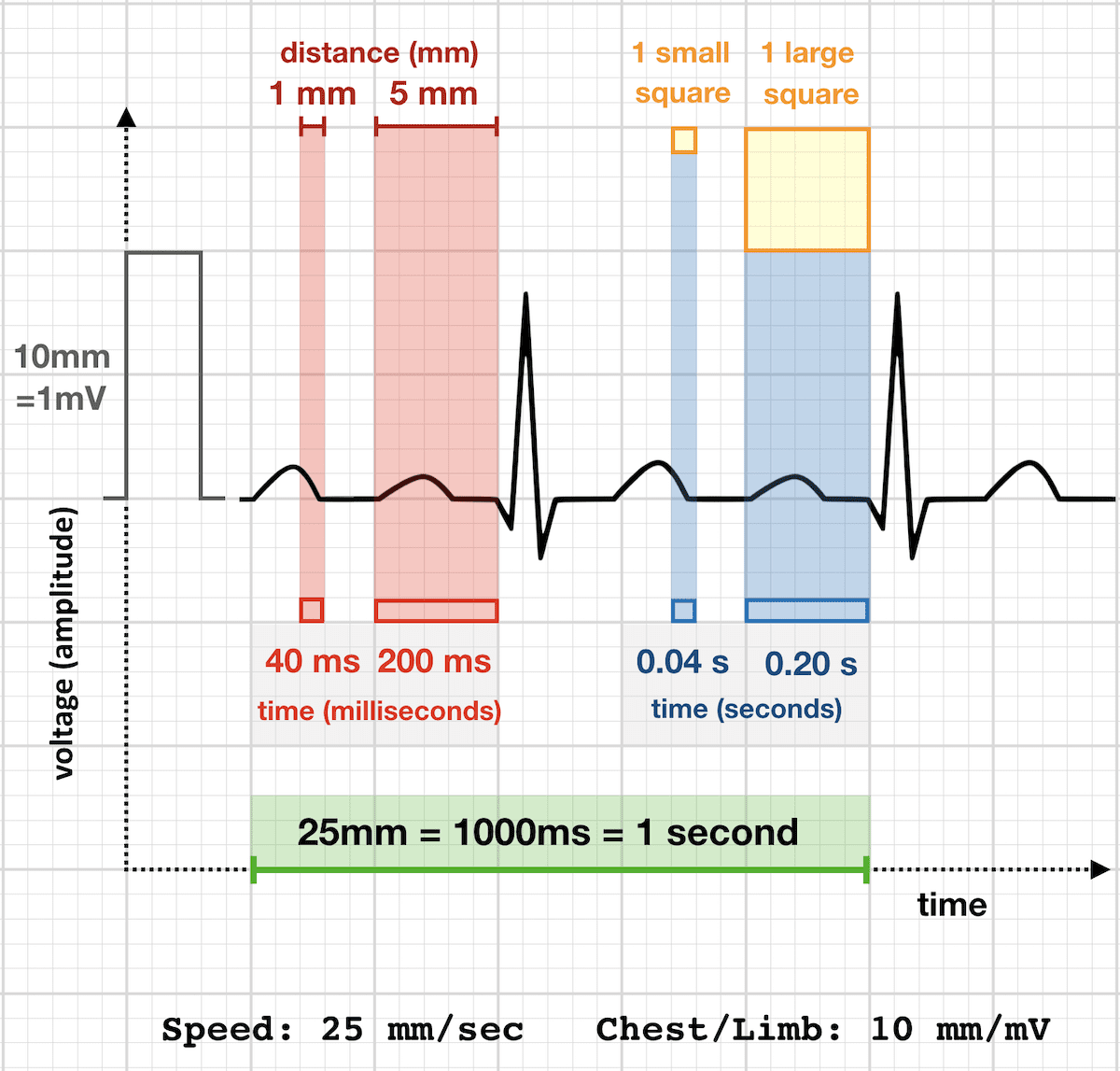
ECG graph paper features a grid pattern, typically with small squares representing time and voltage. Each small square usually measures 1 mm, while larger squares, made up of 5 small squares, represent 0.2 seconds and 0.5 mV.
The paper’s design aids in identifying various heart conditions by providing a clear visual representation of the heart’s electrical impulses. This clarity is crucial for diagnosing arrhythmias and other cardiac issues.
When using ECG graph paper, it’s important to understand the standard calibration settings. These settings ensure that the readings are accurate and can be compared across different tests and patients.
In summary, ECG graph paper is a vital tool in cardiology, offering a clear way to record and analyze heart activity. Familiarity with its layout and use can significantly enhance diagnostic accuracy and patient care.
How To Interpret 12 Lead EKGs EKG Essentials A Student Handbook
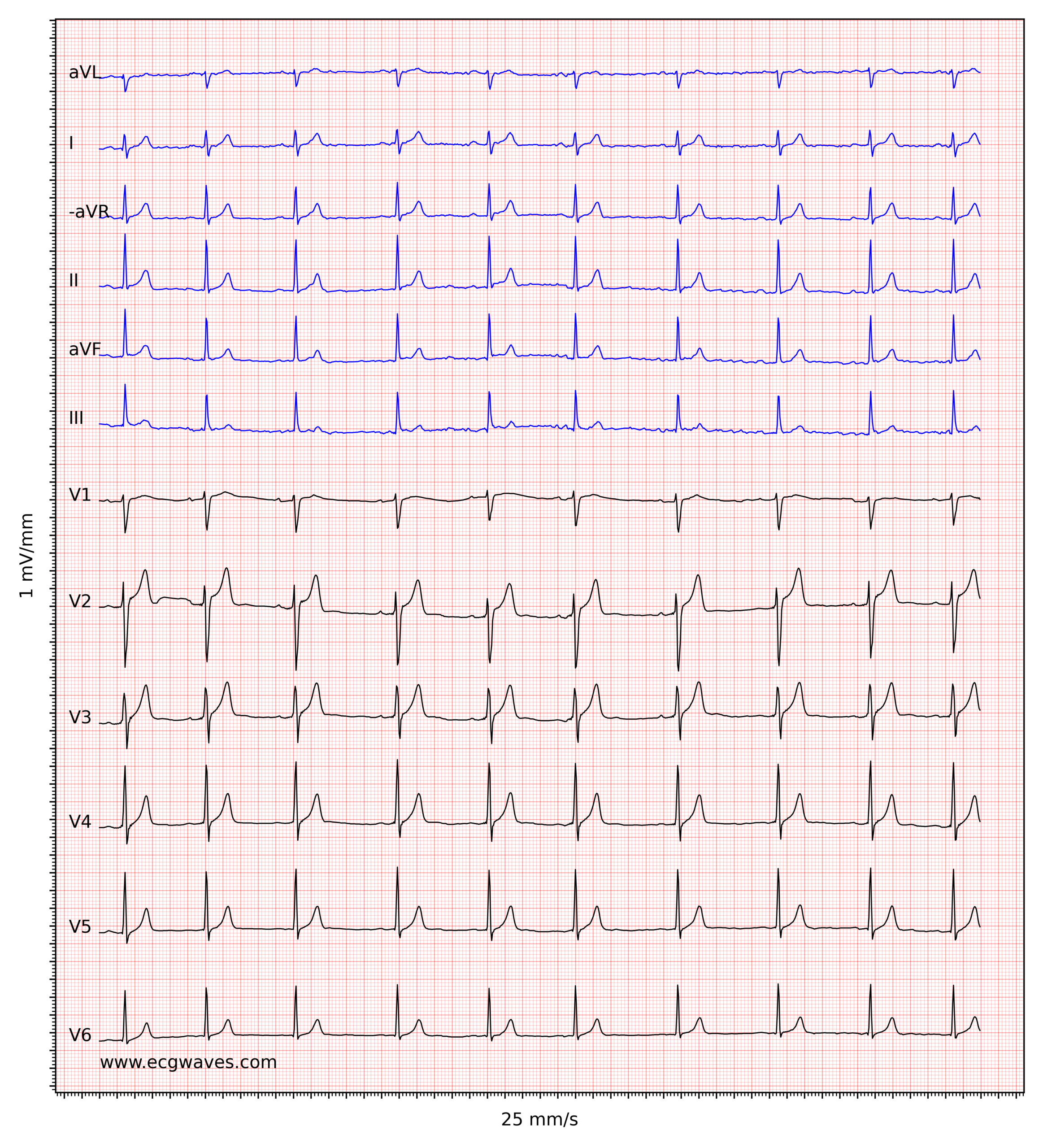
ECG Interpretation Characteristics Of The Normal ECG P wave QRS
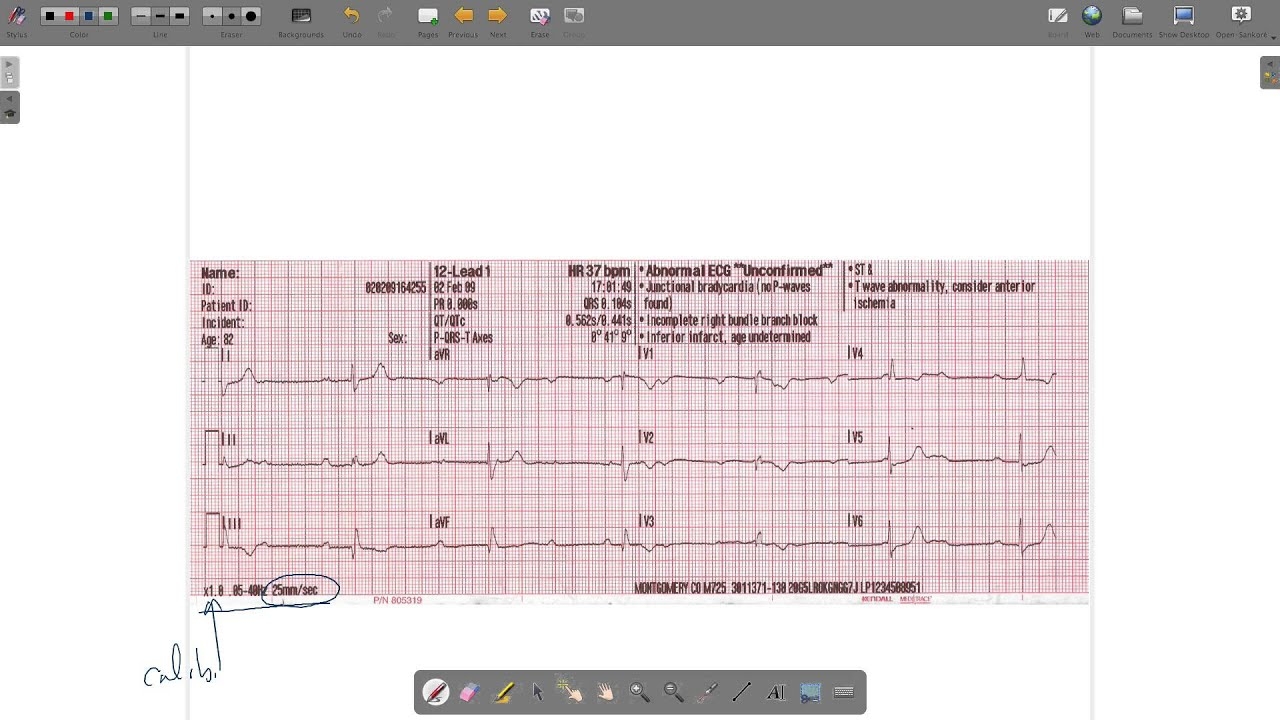
ECG Paper
ECG 101 The ECG Paper Explained The PR Segment
ECG Rate Interpretation LITFL Medical Blog ECG Library Basics