Graphing can be a fun and insightful way to visualize data. Many people find that using different types of graph paper enhances their understanding of complex relationships between variables. One popular option is log-log paper.
Graphing On Log Log Paper
Graphing On Log Log Paper
When graphing on log-log paper, each axis is scaled logarithmically. This means that equal distances on the graph represent equal ratios rather than equal differences. This unique scaling helps in identifying power laws and multiplicative relationships.
To get started, gather your data points and plot them on the log-log grid. Make sure to label your axes clearly, indicating the logarithmic scale. This clarity will help anyone reading your graph to understand the data better.
One key advantage of using log-log paper is its ability to simplify complex data sets. Instead of struggling with large numbers, you can focus on the relationships between variables, making it easier to draw conclusions and make predictions.
In conclusion, graphing on log-log paper is an effective technique for visualizing data relationships. By using this method, you can gain deeper insights into your data while making it accessible and understandable for others.
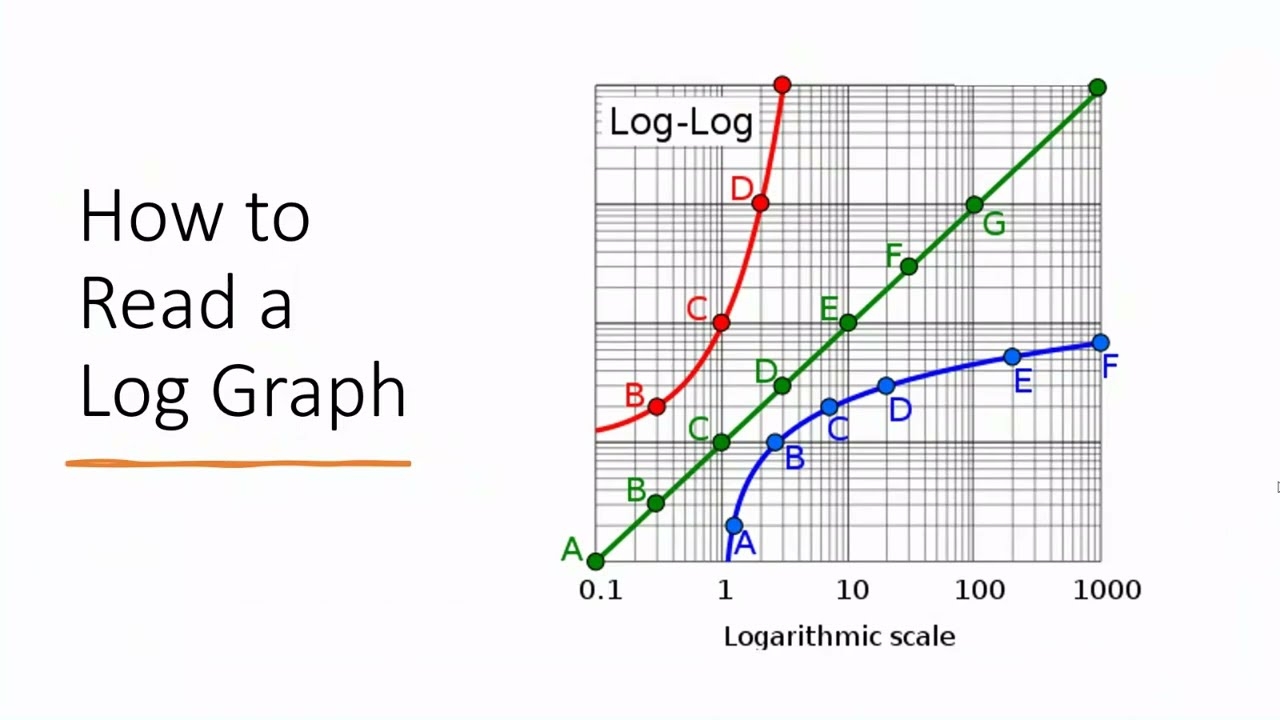
How To Read A Log Scale Graph Made Simple
Keuffel amp Esser Log amp Semi Log Graph Paper Science amp Engineering
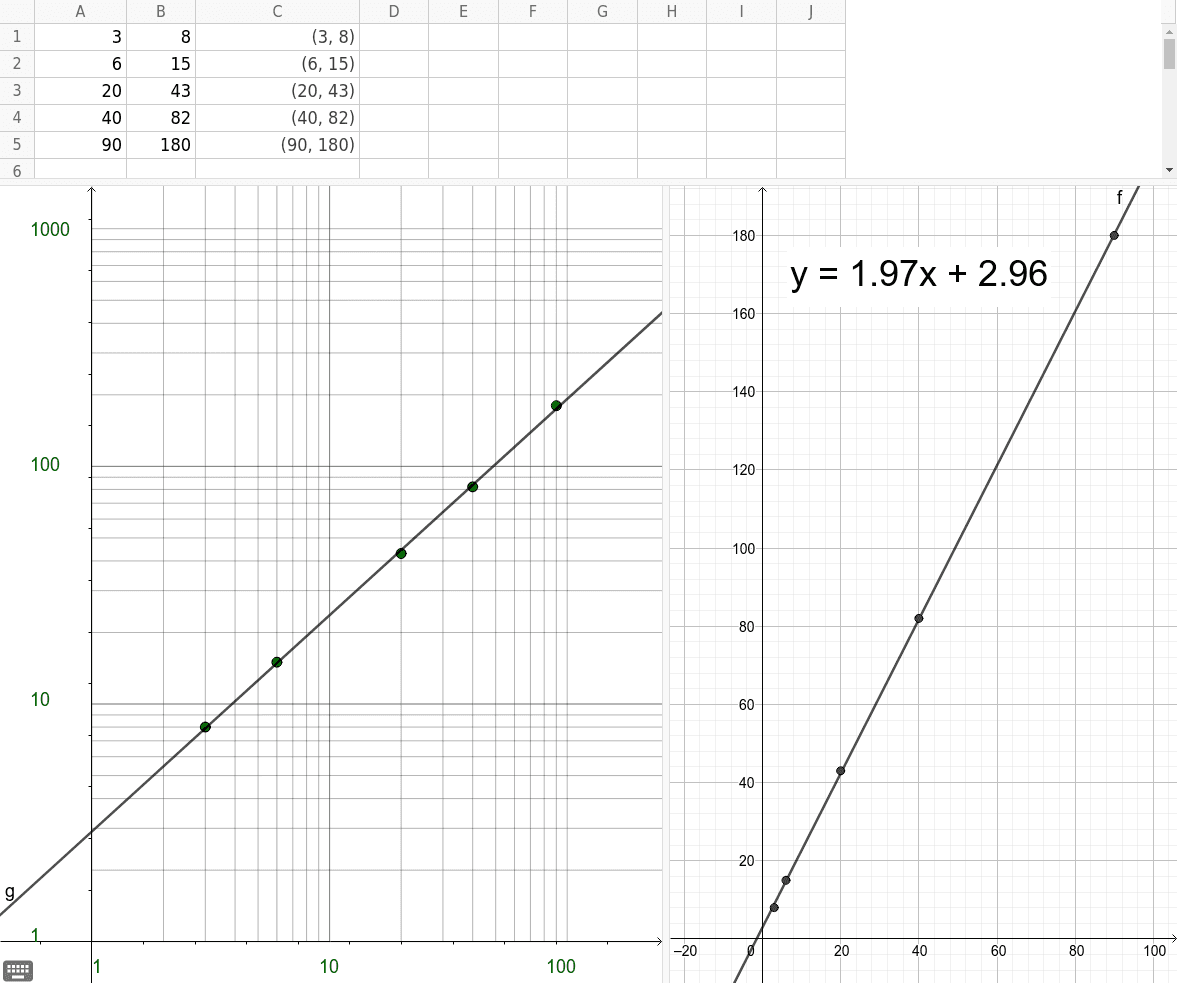
Demo Log log Graph Paper GeoGebra
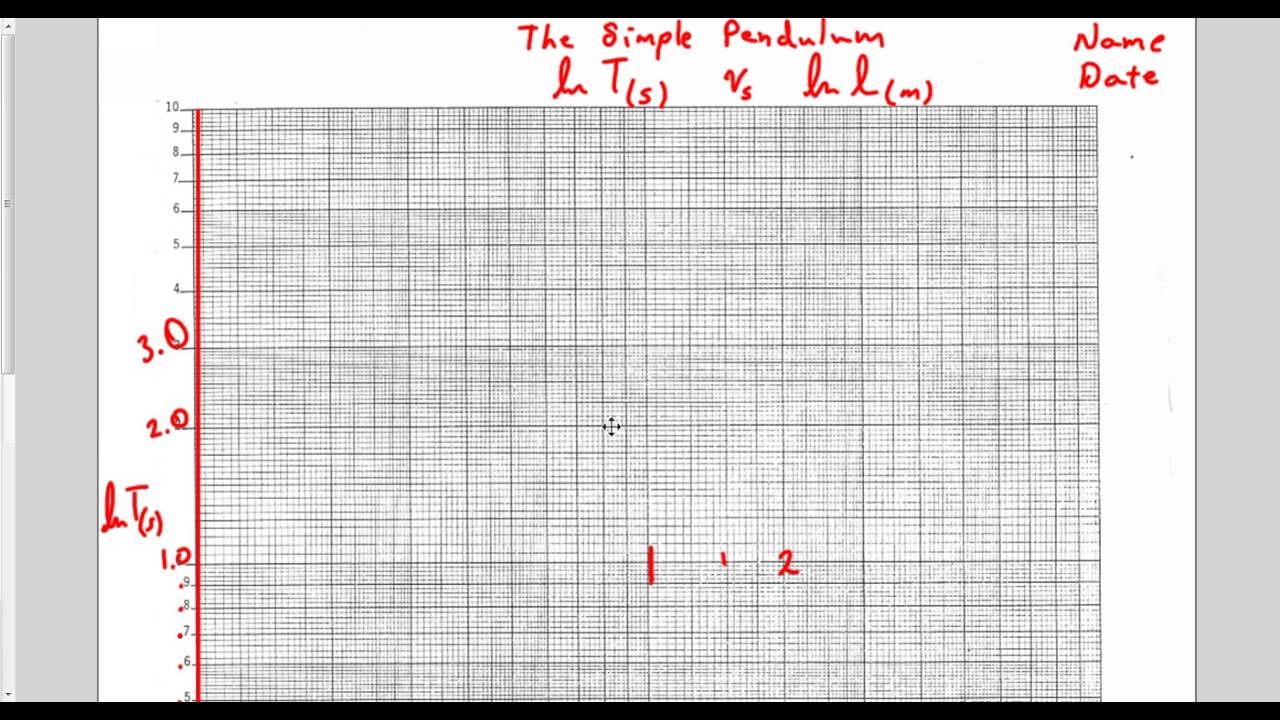
Intro To Log Log Graph Simple Pendulum Example
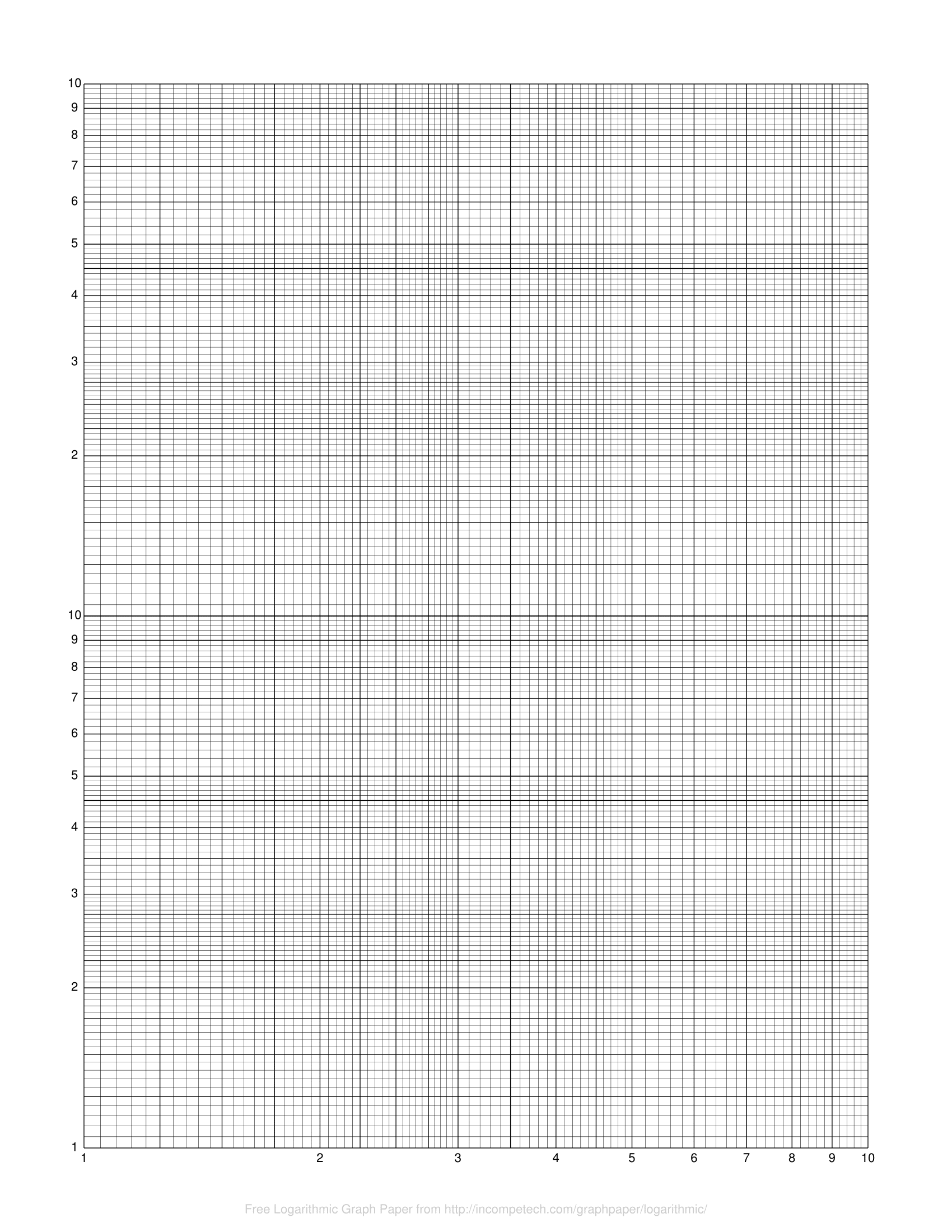
Logarithmic Graph Paper Generators