Tracing paper is a versatile tool in architecture, allowing designers to refine their ideas and communicate concepts effectively. Its semi-transparent nature makes it ideal for layering sketches and drawings, enhancing creativity in the design process.
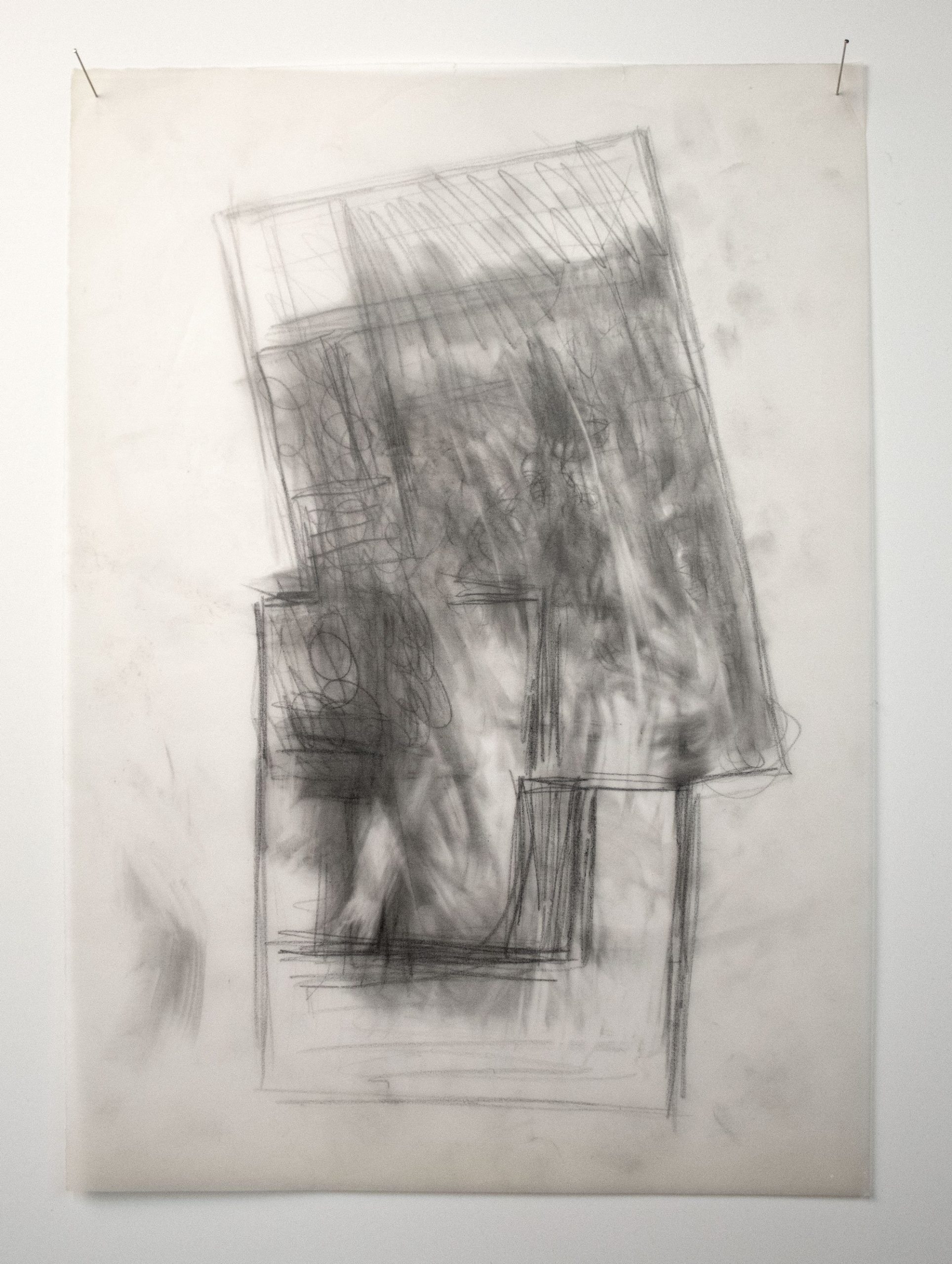
How To Use Tracing Paper Architecture
How To Use Tracing Paper Architecture
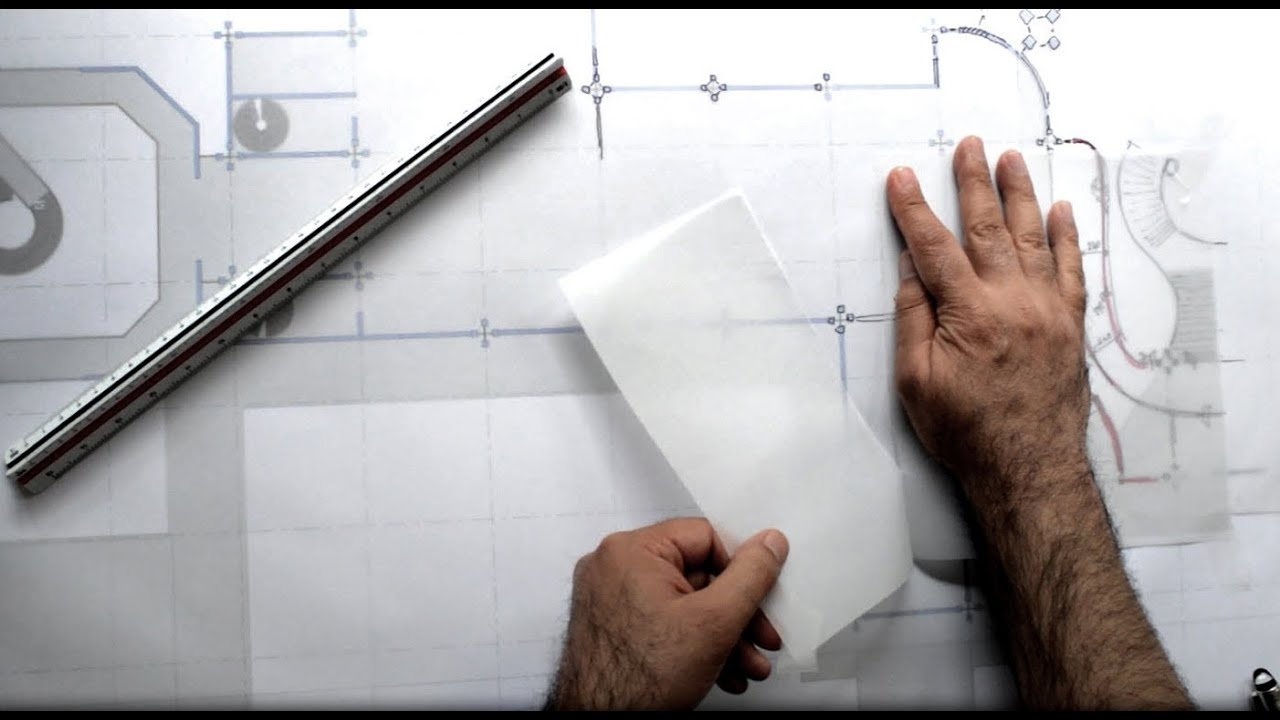
To begin using tracing paper in architecture, start by sketching your initial ideas on a regular sheet of paper. Once you have a solid concept, place tracing paper over your drawing to refine details and add layers.
Another effective method is to use tracing paper for overlaying multiple design options. This allows you to compare different layouts and features side by side, helping you make informed decisions about your project.
Additionally, consider using colored pencils or markers on tracing paper. This technique can help highlight specific areas of your design, making it easier to convey your vision to clients or collaborators.
Incorporating tracing paper into your architectural workflow can significantly enhance your design process. It encourages experimentation and clarity, ultimately leading to more refined and innovative architectural solutions.
Embracing tracing paper can elevate your architectural designs and streamline your creative process. With practice, you’ll discover new ways to utilize this simple yet powerful tool in your projects.
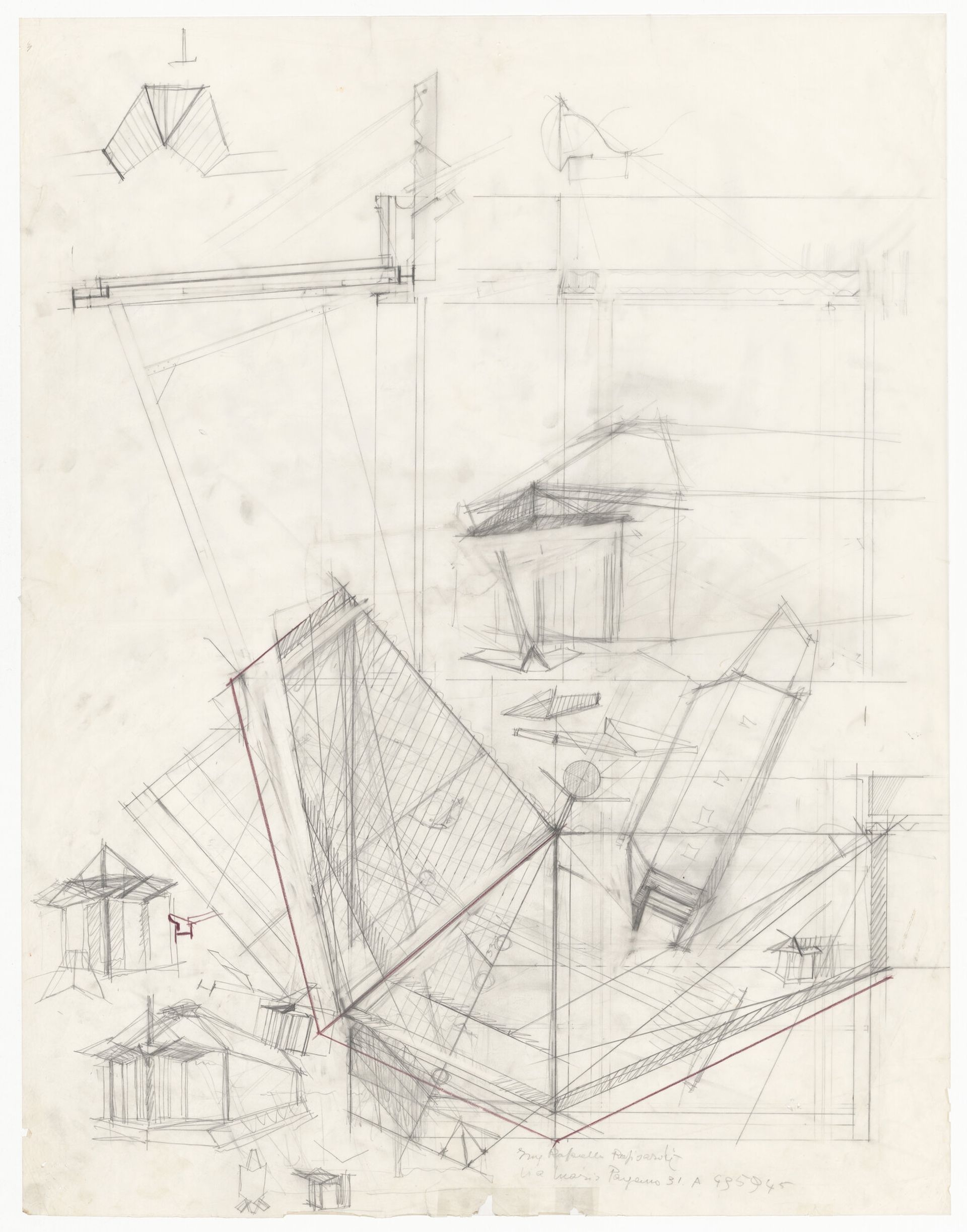
Topology And Tracing Paper

The Versatile Uses Of Tracing Paper In Architecture Fashion
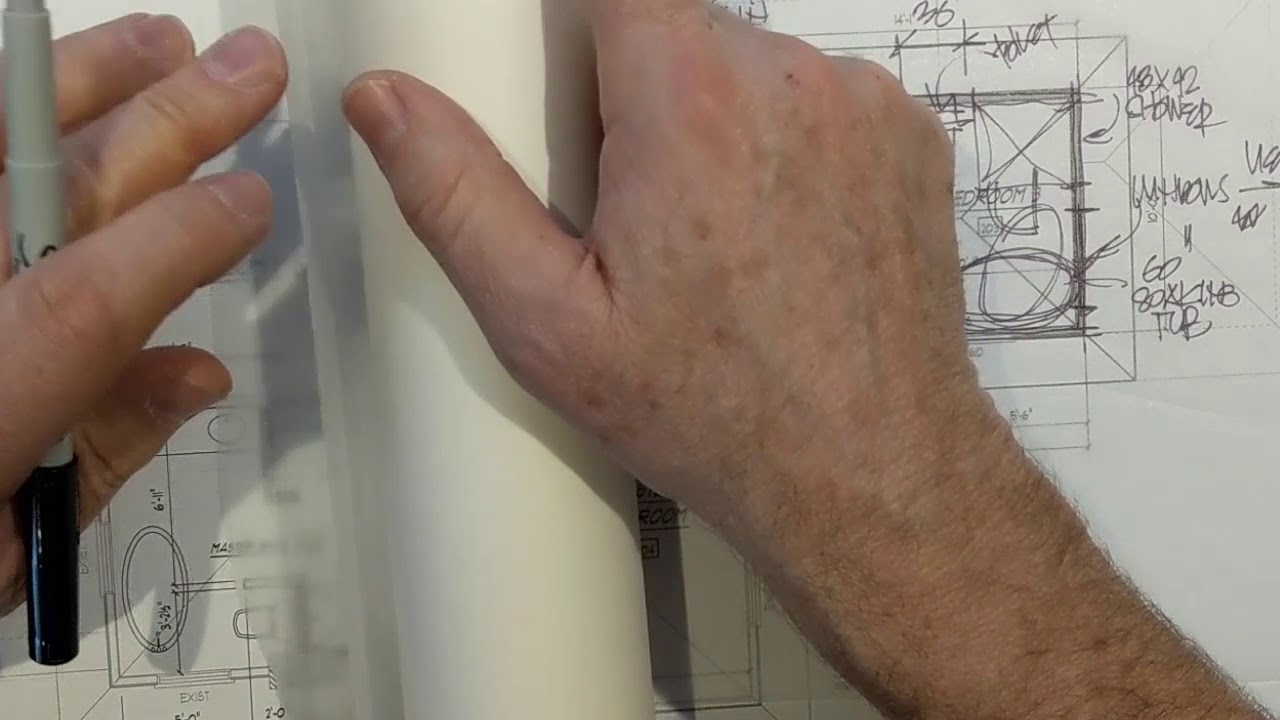
An Architect s Toolbox Layered Sketching By Hand
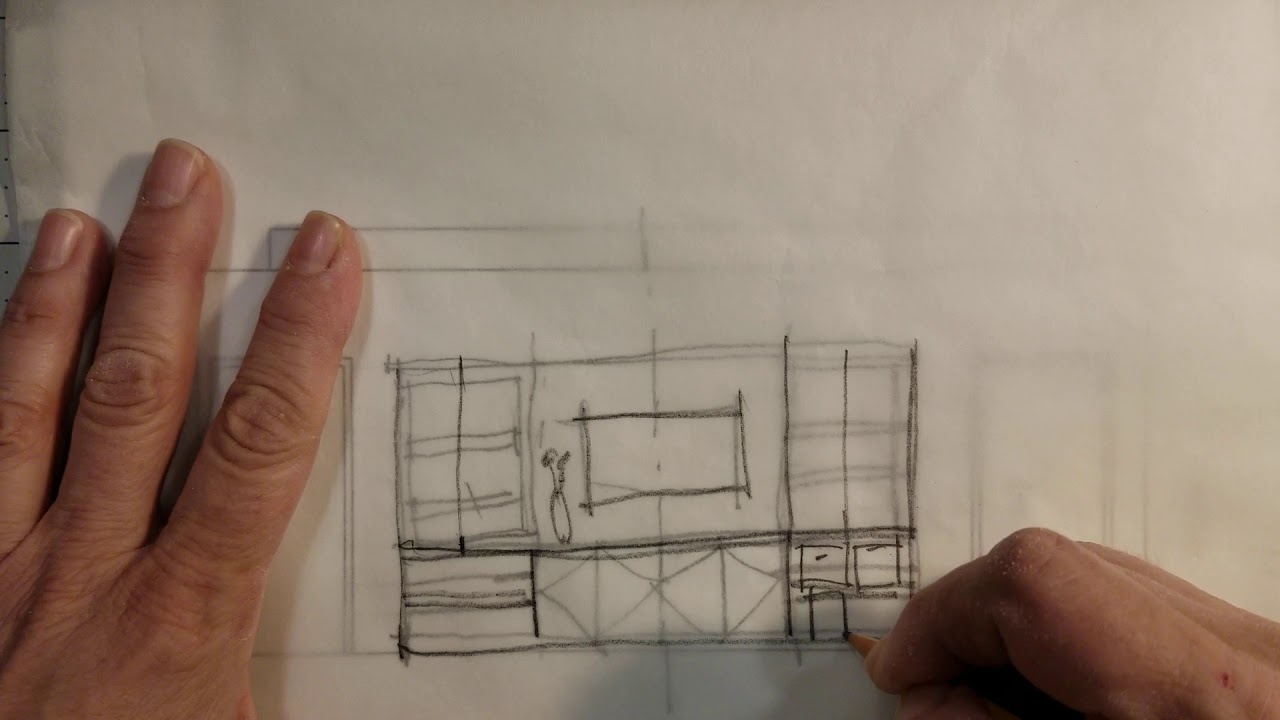
Interior Design Tracing Paper Overlays
HOW TO USE TRACING PAPERS